

Winter storms bring longer and more frequent power outages, which means generators may need to run for extended periods. The longer a generator runs, the greater the safety risks.
Fuel handling, exhaust management. Routine monitoring are crucial when a generator is running for hours or days on end.
Cold weather also adds a layer of risk. Airflow, fuel lines, and exhaust systems can be impacted by snow, ice, and freezing temperatures. Some homeowners may be tempted to move their portable generator closer to the house or garage, which can significantly increase the risk of carbon monoxide buildup.
Since generators are relied on more heavily during winter, safety awareness is just as important as power availability. Reduce the risk of fire, electrical hazards, or carbon monoxide exposure by following proper operating practices.
Before You Start, Essential Generator Safety Checks
It’s vital to complete a pre-use checklist to ensure your generator is ready to use when needed. These generator safety checks are designed to reduce risk and prevent accidents related to generator use.
Reviewing manufacturer safety guidance
Review the manufacturer's safety guidelines to be well-informed on proper startup procedures, ventilation requirements, fuel recommendations, and operating limits specific to your model. By following manufacturer guidelines, you can prevent misuse and operate the generator as designed.
Inspecting cords for visible damage
Be sure to check extension cords and connection cables for signs of damage, such as cracks, fraying, exposed wiring, or loose plugs. Using damaged cords can result in overheating, electrical shock, or fire. Only utilize heavy-duty, outdoor-rated cords designed for generator use.
Ensuring fuel is stored safely
Fuel storage is a huge part of generator safety during winter. Check to make sure fuel is stored in appropriate containers and kept away from heat sources, open flames, or ignition points. Never store fuel inside living spaces. Storing your fuel properly reduces the risk of spills, vapor buildup, and fires.
Confirming the generator is rated for intended use
Generators have specific capacities they’re rated for. Ensure that your generator can handle the appliances and systems you plan to use to avoid overloading. Overloading your generator can cause overheating, equipment failure, or electrical hazards.
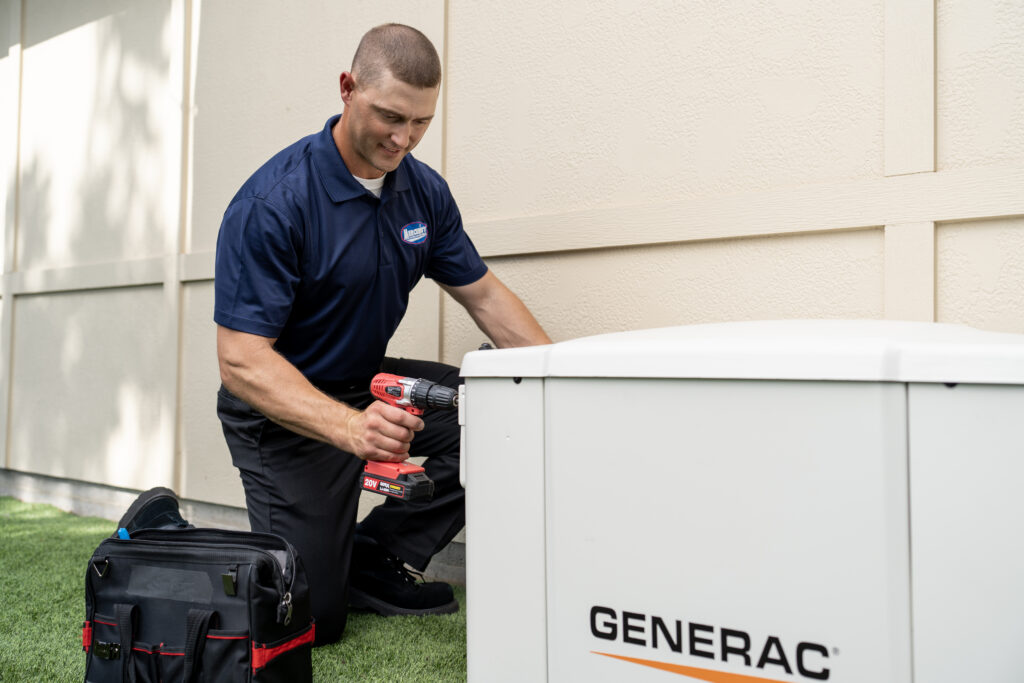
Safe Generator Placement and Ventilation
Generator placement is another crucial component for staying safe during operation. Generators must always be operated outdoors and away from windows, doors, and vents.
They produce carbon monoxide as a byproduct of combustion. This colorless, odorless gas is dangerous to be around and can quickly build up in enclosed spaces.
Placing a generator outside and away from your home ensures that carbon monoxide exhaust gases can dissipate safely into the open air. You should always place your generator at least 20 feet away from windows, doors, vents, and other openings to prevent carbon monoxide from entering the home.
Periodically checking the generator’s exhaust path is a good idea, as shifting winds can redirect exhaust towards the house if not monitored. Follow this guidance to significantly reduce carbon monoxide exposure risk while safely running your generator in winter.
Electrical Connection Safety Basics
Keeping electrical connections simple and within safe limits is critical to preventing damage, failures, and potential hazards during use. Here are a few tips for safely connecting the equipment you want to power to the generator:
- Avoid overloading the generator: Be sure to know your generator’s maximum capacity and do not exceed it. Start with essential appliances and systems only and add loads gradually to avoid overloading your generator.
- Use approved extension cords: Only use heavy-duty extension cords that are outdoor-rated and designed for generator use. Damaged or undersized cords can overheat and create shock or fire risks.
- Understand which appliances should be prioritized: Know ahead of an outage which appliances you will prioritize powering. Generators are best used to power important needs, like heating equipment, refrigerators, and lighting.
- Never connect directly to home wiring without proper equipment: You should never plug your generator into household outlets or hardwired systems without transfer equipment installed by a qualified professional.
Following these tips allows you to operate your generator safely and reduce electrical risks during winter outages.
Fuel Handling and Storage Safety
Fuel should be stored in airtight containers designed for gasoline or diesel storage, depending on your generator. These types of containers prevent leaks, vapor release, and contamination.
Clearly label your fuel and store it in a well-ventilated area away from living spaces and heat sources. Do not store fuel inside the home, basement, or attached garage.
Make sure that fuel storage containers are protected from extreme cold and moisture, which can impact fuel quality and container integrity. When refueling, turn the generator off and let it cool completely before adding fuel.
What to Do During and After a Winter Power Outage
Homeowners should monitor their generator operation during use to prevent any accidents from happening. Shut down your generator safely after power is restored to the grid and maintain your unit for future needs.
If you need electrical services or help with your generator, call Mercurio’s Heating & Air Conditioning today at (253) 600-4111. Visit our blog for more home safety resources!